Table of Contents
- Introduction: The Rise of Natural Skincare Choices
- What Are DIY Natural Facial Treatments
- What Are Professional Natural Facial Treatments
- Key Differences Between DIY and Professional Facials
- Effectiveness for Long-Term Skin Health
- Safety Considerations for Sensitive Skin
- Cost Comparison: DIY vs Professional Treatments
- Ingredients Used in DIY Natural Facials
- What Professionals Use in Spa Natural Facials
- Common Mistakes in DIY Skincare
- When to Choose Professional Facial Treatments
- Best Approach: Combining Both Methods
- Conclusion: What Truly Works for Healthy Skin
1. Introduction: The Rise of Natural Skincare Choices
In recent years, natural skincare has become increasingly popular in Singapore as people look for safer, cleaner, and more sustainable ways to care for their skin. This has led to a growing debate: should you rely on DIY natural facial treatments at home, or invest in professional spa treatments?
Both approaches have their advantages, but they work very differently when it comes to long-term skin health, safety, and effectiveness.
2. What Are DIY Natural Facial Treatments
DIY (do-it-yourself) natural facial treatments refer to skincare routines made at home using natural ingredients such as:
- Honey
- Aloe vera
- Oatmeal
- Yogurt
- Green tea
- Fruit masks (banana, papaya, etc.)
These treatments are often used for:
- Hydration
- Light exfoliation
- Temporary glow improvement
- Basic skin soothing
They are easy to prepare, affordable, and widely shared on social media and beauty blogs.
3. What Are Professional Natural Facial Treatments
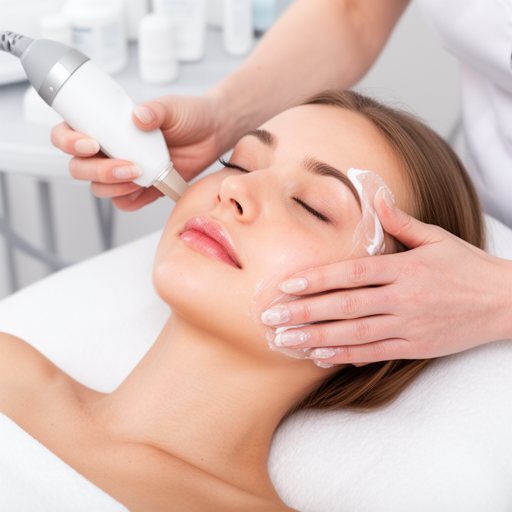
Professional natural facial treatments are performed in licensed beauty salons or spas using specialized equipment and trained techniques.
These treatments typically include:
- Skin analysis by trained therapists
- Deep cleansing and controlled exfoliation
- High-quality plant-based skincare products
- Advanced hydration and repair techniques
- Massage to improve circulation and lymphatic flow
They are designed to provide deeper, longer-lasting results compared to DIY methods.
4. Key Differences Between DIY and Professional Facials
The main differences include:
Ingredients Quality
- DIY: Basic kitchen-based ingredients
- Professional: Concentrated spa-grade botanical formulations
Depth of Treatment
- DIY: Surface-level care
- Professional: Deep skin penetration and repair
Safety Control
- DIY: Risk of incorrect usage or allergic reaction
- Professional: Controlled and customized treatment
Results Duration
- DIY: Short-term glow
- Professional: Long-term skin improvement
5. Effectiveness for Long-Term Skin Health
When it comes to long-term skin health, professional natural facial treatments generally provide more consistent and visible results.
This is because they:
- Target deeper skin layers
- Strengthen the skin barrier
- Support collagen production
- Improve circulation and detoxification
DIY treatments are useful for maintenance but may not address deeper skin concerns such as pigmentation, sensitivity, or aging.
6. Safety Considerations for Sensitive Skin
Safety is a major factor when choosing between DIY and professional treatments.
DIY Risks:
- Incorrect ingredient mixing
- Allergic reactions to raw ingredients
- Lack of sterilization
- Over-exfoliation or irritation
Professional Benefits:
- Skin type analysis before treatment
- Use of tested formulations
- Controlled application techniques
- Immediate adjustment for sensitivity
For sensitive or problematic skin, professional treatments are generally safer.
7. Cost Comparison: DIY vs Professional Treatments
DIY Treatments:
- Low cost
- Uses household ingredients
- No professional fees
Professional Treatments:
- Higher upfront cost
- Includes expert care and advanced products
- Better long-term value for persistent skin issues
While DIY is budget-friendly, professional treatments often reduce the need for corrective skincare in the long run.
8. Ingredients Used in DIY Natural Facials
Common DIY facial ingredients include:
- Honey – antibacterial and moisturizing
- Aloe vera – soothing and hydrating
- Oatmeal – calming and anti-inflammatory
- Yogurt – mild exfoliation due to lactic acid
- Turmeric – brightening and anti-inflammatory
- Green tea – antioxidant protection
These ingredients are effective for light skincare maintenance.
9. What Professionals Use in Spa Natural Facials
Professional spas in Singapore use advanced natural formulations such as:
- Botanical enzyme peels
- Concentrated plant extracts
- Marine-based minerals
- Aromatherapy essential oil blends
- Clinical-grade hyaluronic acid (plant-derived)
These products are designed for deeper skin absorption and longer-lasting effects.
10. Common Mistakes in DIY Skincare
Many people unintentionally damage their skin with DIY treatments.
Common mistakes include:
- Using lemon juice directly on skin (too acidic)
- Over-exfoliating with scrubs
- Mixing incompatible ingredients
- Leaving masks on too long
- Not patch-testing new ingredients
These mistakes can lead to irritation, dryness, or breakouts.
11. When to Choose Professional Facial Treatments
Professional treatments are recommended when:
- You have persistent acne or pigmentation
- Your skin is highly sensitive or reactive
- You experience dullness or uneven texture
- You need deep hydration or anti-aging care
- DIY methods are no longer effective
A trained therapist can customize treatments based on your skin needs.
12. Best Approach: Combining Both Methods
The most effective skincare strategy is often a combination of both DIY and professional treatments.
Suggested routine:
- DIY care: 1–2 times per week for maintenance
- Professional facials: every 3–4 weeks for deep repair
This balanced approach helps maintain healthy skin while benefiting from expert care.
13. Conclusion: What Truly Works for Healthy Skin
Both DIY and professional natural facial treatments have their place in skincare. DIY methods are excellent for daily maintenance and affordability, while professional treatments provide deeper, more targeted, and long-lasting results.
For optimal skin health—especially in Singapore’s humid and stressful environment—a combination of both approaches offers the best balance between convenience, cost, and effectiveness.