Spending long hours at a desk has become a normal part of working life for many office professionals. From answering emails and attending online meetings to working on spreadsheets and using mobile devices, much of the day can involve sitting in the same position.
Over time, this routine can leave the neck and shoulder area feeling tense or uncomfortable.
A head and shoulder massage can be a relaxing way to give these areas additional attention while providing a break from a busy workday. It can be particularly appealing to people who spend many hours working at a computer or frequently use digital devices.
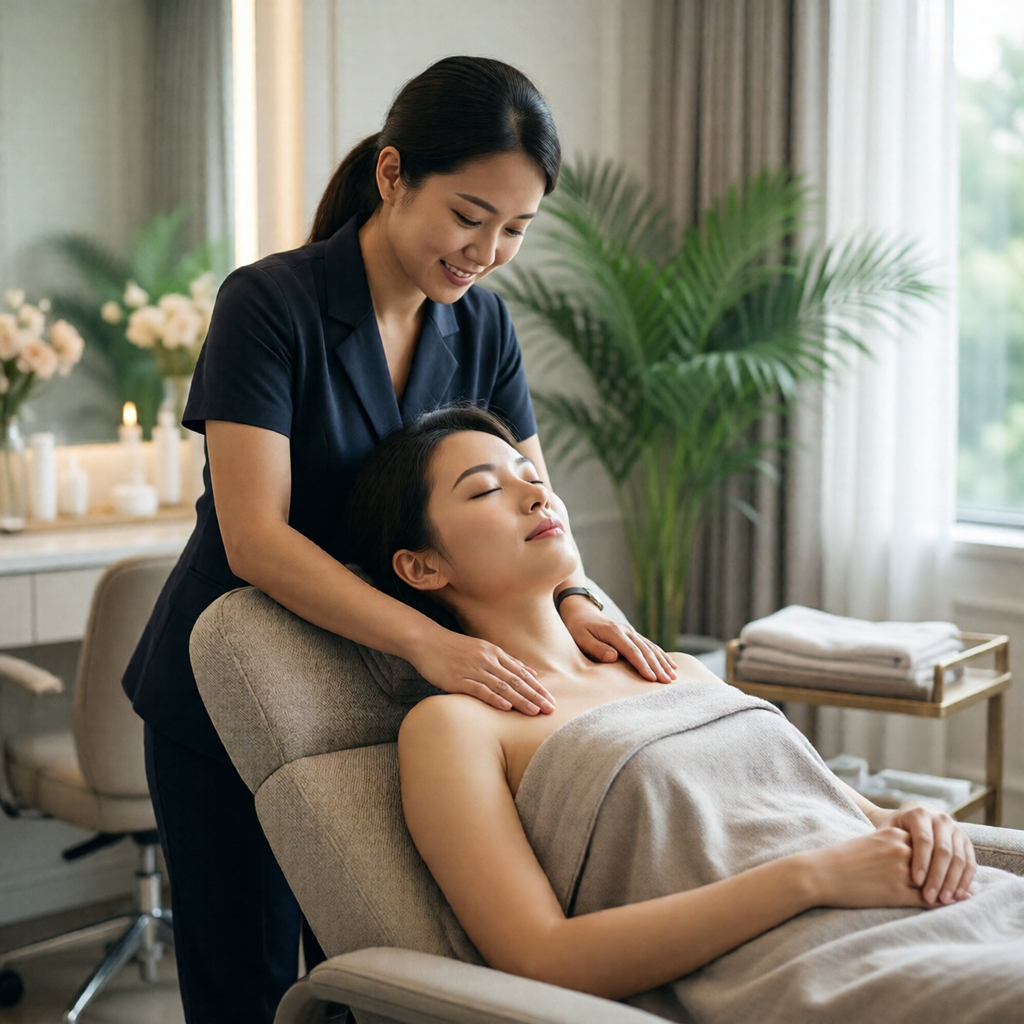
For those looking for a convenient wellness treatment, a professional beauty salon Singapore can provide a comfortable environment for head, neck and shoulder massage treatments.
Table of Contents
- Why Desk Work Can Affect the Neck and Shoulders
- What Is a Head and Shoulder Massage?
- Common Reasons Office Workers Choose Massage
- Benefits of Head and Shoulder Massage
- How Massage May Support Relaxation
- Head and Shoulder Massage for Computer Users
- What to Expect During a Massage
- How to Prepare for Your Treatment
- How Often Should You Get a Massage?
- Massage vs Daily Workplace Habits
- When to Seek Professional Medical Advice
- Conclusion
Why Desk Work Can Affect the Neck and Shoulders
Office work often requires maintaining a seated position for extended periods.
When working at a computer, people may naturally lean forward, raise their shoulders or keep their head in a fixed position while concentrating on the screen.
Mobile phone use can create similar habits.
The problem is not necessarily sitting itself. Spending many hours in one position without enough movement can contribute to feelings of stiffness and tension.
Work-related stress may also cause people to unconsciously tighten their shoulders.
Taking regular breaks, changing positions and maintaining a comfortable workstation can help support better daily habits.
Massage can be used alongside these habits as part of a broader approach to relaxation and personal wellness.
What Is a Head and Shoulder Massage?
A head and shoulder massage focuses on areas such as the shoulders, neck and head.
Depending on the treatment, the therapist may use different massage techniques to create a relaxing experience.
Some treatments may also include the upper back or areas around the temples and scalp.
The exact techniques and treatment duration vary between salons.
Before beginning, it is useful to tell the therapist about any areas where you commonly experience tension or discomfort.
This allows the treatment to be adjusted according to your preferences.
Common Reasons Office Workers Choose Massage
Office professionals may choose a head and shoulder massage for several reasons.
One of the most common is simply relaxation.
After spending hours concentrating on work, a massage can provide a quiet period away from computers, phones and workplace responsibilities.
Others may enjoy massage as part of their regular self-care routine.
People who frequently feel tightness around the shoulders after a long workday may also find a massage session comfortable and refreshing.
However, massage should not be viewed as a replacement for proper workplace ergonomics, movement or medical care when necessary.
Benefits of Head and Shoulder Massage
1. Encourages Relaxation
One of the main benefits of massage is the opportunity to relax.
A quiet treatment room and focused massage can help create a break from a busy schedule.
For office workers dealing with a demanding workday, even a short treatment can provide valuable personal downtime.
2. Helps Release Feelings of Tension
The shoulders and neck can feel tense after extended periods of desk work.
Massage focuses attention on these areas and may help them feel more relaxed after treatment.
The experience can be particularly enjoyable when combined with slow, comfortable breathing and a calm environment.
3. Provides a Break From Screens
Many modern workers spend most of their working day looking at screens.
A massage gives you an opportunity to put away your computer and phone for a while.
This simple break can make the treatment feel particularly refreshing.
4. Supports a Regular Self-Care Routine
Self-care does not necessarily have to involve complicated routines.
A regular massage can be one component of a broader wellness routine that also includes sufficient rest, physical activity, healthy habits and time away from work.
5. Can Be Convenient for Busy Professionals
Many office workers do not have several hours available for wellness appointments.
Head and shoulder massage treatments can sometimes be relatively short, making them easier to fit into a lunch break, after-work schedule or weekend routine.
Always allow enough time for travel and relaxation rather than rushing directly from work into a treatment.
How Massage May Support Relaxation
Stress can affect how people hold their bodies.
Someone concentrating intensely on work may unknowingly raise their shoulders, tighten their jaw or maintain a rigid posture.
A relaxing massage can encourage the body to slow down and may help create a greater sense of physical comfort.
The environment also matters.
Soft lighting, a comfortable treatment area and a calm atmosphere can contribute to the overall experience.
For many people, the value of massage is not limited to the physical treatment itself. It is also about creating dedicated time away from daily responsibilities.
Head and Shoulder Massage for Computer Users
Computer users often spend hours looking at monitors while keeping their hands on a keyboard or mouse.
Poor workstation positioning can make this experience less comfortable.
Simple workplace adjustments can make a difference.
Your monitor should be positioned comfortably so you do not need to constantly bend your neck downward. Your chair should provide appropriate support, and your keyboard and mouse should be positioned so that your arms can remain comfortable.
Most importantly, avoid staying in exactly the same position for too long.
Stand up, walk around and change your position regularly.
A head and shoulder massage can complement these habits by providing additional relaxation outside working hours.
What to Expect During a Massage
A typical treatment begins with a short consultation.
The therapist may ask about your preferred pressure and which areas you would like them to focus on.
You should communicate clearly if the pressure feels uncomfortable.
During the treatment, the therapist may work around the shoulders, neck, upper back, scalp or head depending on the service.
Massage should generally feel comfortable and relaxing.
If you experience sharp pain, unusual discomfort or any concerning symptoms, inform the therapist immediately and consider seeking appropriate professional advice.
How to Prepare for Your Treatment
You do not need an elaborate preparation routine before a head and shoulder massage.
Wear comfortable clothing where appropriate and arrive with enough time to settle down before your appointment.
It is also useful to inform the therapist about any relevant physical concerns before treatment.
Avoid treating massage as a competition to tolerate the strongest possible pressure.
A comfortable pressure level is more important than simply choosing an intense treatment.
Good communication can make the experience more enjoyable.
How Often Should You Get a Massage?
There is no universal schedule for head and shoulder massage.
Some people may enjoy an occasional treatment after particularly busy periods, while others may include massage as part of their regular wellness routine.
Your preferred frequency can depend on your work schedule, lifestyle and personal preferences.
A short massage may be convenient for someone who spends long hours at a desk, while a longer session may be preferred during weekends or days off.
The important point is to view massage as one part of overall self-care rather than the only solution for work-related discomfort.
Massage vs Daily Workplace Habits
Massage can feel relaxing, but it should not replace healthy workplace habits.
If you spend eight or more hours a day sitting at a desk, improving your daily routine is equally important.
Consider taking short movement breaks throughout the day.
Stretch gently when appropriate, adjust your workstation and avoid holding your phone between your shoulder and ear.
Pay attention to your posture without trying to maintain one rigid position all day.
Regular movement is generally more practical than attempting to stay perfectly still with a particular posture.
Combining these habits with occasional massage can provide a more balanced approach to workplace wellness.
When to Seek Professional Medical Advice
Massage is intended for relaxation and general wellness. It is not a diagnosis or treatment for an underlying medical condition.
If you experience persistent or severe pain, numbness, weakness, significant headaches or other unusual symptoms, consult an appropriate healthcare professional.
You should also inform your massage therapist about relevant concerns before receiving treatment.
A qualified therapist can help determine whether a particular massage service is appropriate for your situation, but medical symptoms should be assessed by a healthcare professional when necessary.
Conclusion
Long hours at a desk can make neck and shoulder tension a common concern for office professionals.
A head and shoulder massage can provide a relaxing break from work, reduce feelings of tension and support a regular self-care routine.
For busy professionals, it can also be a convenient wellness treatment that fits into a lunch break, after-work schedule or weekend.
When choosing a beauty salon Singapore for a head and shoulder massage, consider the therapist’s experience, treatment environment, hygiene standards, service duration and your preferred level of pressure.
Combined with regular movement, a comfortable workstation and healthy daily habits, massage can be a simple way to make personal wellness part of a busy working lifestyle.