Facials are a popular part of many skincare routines, but one common question remains: how often should you actually get one?
There is no single schedule that works for everyone. Your ideal facial frequency can depend on your skin type, current skin concerns, lifestyle, skincare routine and the type of facial treatment you receive.
Some people may benefit from occasional professional facials, while others may prefer to include them as part of a regular beauty routine.
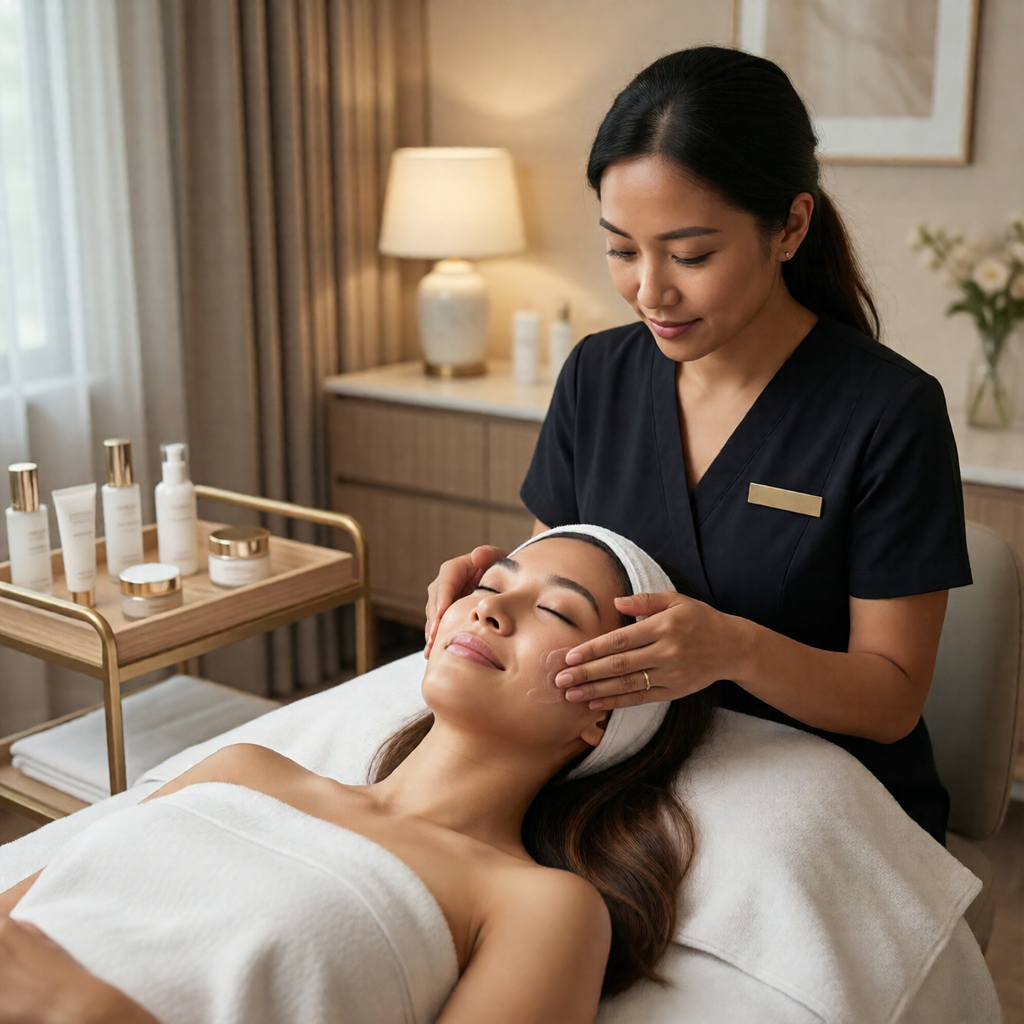
Understanding your skin and choosing appropriate treatments can help you avoid unnecessary treatments while maintaining healthy-looking skin.
Table of Contents
- Why Facial Frequency Matters
- How Often Should You Get a Facial?
- Facial Frequency for Normal Skin
- Facial Frequency for Dry Skin
- Facial Frequency for Oily Skin
- Facial Frequency for Combination Skin
- Facial Frequency for Sensitive Skin
- Factors That Can Affect Facial Frequency
- How to Choose the Right Facial Treatment
- What to Do Between Facial Appointments
- Signs You May Need to Adjust Your Facial Routine
- Choosing a Beauty Salon in Singapore
- Conclusion
Why Facial Frequency Matters
A facial can provide professional skincare and relaxation, but more treatments are not necessarily better.
The skin has its own natural processes, and overly frequent treatments may not be suitable for everyone.
The type of facial also matters.
A gentle hydrating facial may be appropriate at a different frequency from a treatment involving more intensive exfoliation.
Your skin’s condition can also change over time. Weather, stress, travel, lifestyle and changes in your skincare products may affect how your skin looks and feels.
Instead of following a fixed schedule simply because it is popular, consider your individual needs.
How Often Should You Get a Facial?
For many people, a facial every four to six weeks can be a reasonable starting point for a regular professional skincare routine.
This timeframe is not a strict rule.
Some people may prefer monthly treatments, while others may only book a facial before special occasions or when their skin needs additional attention.
If you are new to professional facials, it can be helpful to start with a suitable basic treatment and observe how your skin responds.
Your beauty therapist can also recommend a schedule based on your skin type and the treatment being performed.
Facial Frequency for Normal Skin
People with relatively balanced skin may have more flexibility when choosing how often to receive a facial.
A facial every four to six weeks can work well for those who enjoy regular professional skincare.
The purpose does not necessarily need to be correcting a specific problem.
A facial can also be part of a general maintenance routine and provide an opportunity for professional cleansing, hydration and relaxation.
However, there is no need to increase treatment frequency simply because your skin is generally healthy.
A consistent home routine remains important.
Facial Frequency for Dry Skin
Dry skin may benefit from treatments that focus on hydration and moisture.
If your skin frequently feels tight, rough or uncomfortable, a gentle hydrating facial may be more suitable than aggressive exfoliation.
Depending on your skin condition and the treatment used, you might schedule a facial approximately once every four to six weeks.
However, extremely dry or irritated skin may require a different approach.
A beauty therapist should assess the condition of your skin before recommending a treatment.
Between appointments, use gentle skincare products and a suitable moisturiser to support your skin’s comfort.
Facial Frequency for Oily Skin
Oily skin can produce more sebum, particularly in Singapore’s warm environment.
People with oily skin may choose facials that focus on cleansing and maintaining a balanced-looking complexion.
However, treating oily skin too aggressively can sometimes leave the skin feeling uncomfortable.
More frequent exfoliation is not automatically better.
If you have oily skin, choose a facial based on your actual skin condition rather than simply selecting the strongest cleansing treatment available.
A regular facial schedule of around four to six weeks may be appropriate for some people, but your therapist can help determine whether your skin requires a different frequency.
Facial Frequency for Combination Skin
Combination skin can be more challenging because different areas of the face may have different needs.
The T-zone may appear oily, while the cheeks may feel normal or dry.
For this reason, a facial that can be adjusted to different areas of the face may be useful.
Rather than focusing entirely on oil control, consider a balanced treatment that supports both hydration and skin comfort.
Monthly or four-to-six-week appointments can be a starting point, but your routine should be adjusted according to how your skin responds.
Facial Frequency for Sensitive Skin
Sensitive skin requires additional care when choosing both products and treatment frequency.
If your skin easily becomes red, uncomfortable or irritated, avoid assuming that frequent facials will improve it.
Gentler treatments may be more appropriate.
Tell your therapist about any sensitivity before the treatment begins and mention products that have caused problems in the past.
Depending on your skin condition, you may need longer intervals between professional treatments.
If you have persistent irritation or a skin condition, professional medical advice may be more appropriate than relying solely on salon treatments.
Factors That Can Affect Facial Frequency
Skin type is only one factor.
Lifestyle
People who spend significant time outdoors may have different skincare needs from those who primarily work indoors.
Exercise, sweating and frequent exposure to environmental conditions can also affect how your skin feels.
Climate
Singapore’s tropical climate means that heat, humidity and air-conditioning are regular parts of daily life.
Your skin may therefore feel different at different times of the year or depending on how much time you spend indoors.
Skincare Routine
Your daily products can also affect how often you should receive professional treatments.
If you already use exfoliating acids, retinoids or other active skincare products, tell your therapist before receiving a facial.
Combining too many intensive treatments may not be appropriate for everyone.
Type of Facial
A gentle facial and a more intensive treatment should not automatically be scheduled at the same frequency.
Always consider what the treatment actually involves.
How to Choose the Right Facial Treatment
Choosing the right facial is often more important than simply deciding how frequently to book one.
Start by identifying your main concern.
Are you looking for hydration, relaxation, oil control, a refreshed appearance or general skincare maintenance?
Once you understand your goal, discuss it with your therapist.
A professional can recommend a treatment based on your skin’s current condition rather than simply choosing a popular facial.
You should also consider whether the treatment uses products suitable for your skin.
If your skin is sensitive, ask about the ingredients and techniques involved before beginning.
What to Do Between Facial Appointments
Your home skincare routine plays an important role between professional treatments.
Cleanse your face appropriately without excessive washing.
Use a moisturiser that suits your skin type.
Apply sunscreen during the day, particularly when spending time outdoors.
Avoid picking at your skin or attempting aggressive extractions at home.
You should also avoid introducing multiple new products immediately after a facial unless recommended by your skincare professional.
Simple, consistent skincare is often easier to maintain than an overly complicated routine.
Signs You May Need to Adjust Your Facial Routine
Your facial schedule may need adjustment if your skin repeatedly feels uncomfortable after treatments.
Pay attention to signs such as persistent redness, excessive dryness, unusual sensitivity or irritation.
These symptoms should not simply be ignored in the belief that more treatments will solve the problem.
You may need to reduce treatment frequency, choose a gentler facial or review the products being used.
If symptoms persist, consult a qualified healthcare professional.
Choosing a Beauty Salon in Singapore
When selecting a beauty salon Singapore, look beyond promotional prices and treatment names.
Consider whether the salon maintains good hygiene standards and whether therapists take time to understand your needs.
A good consultation is particularly important when you have sensitive skin or specific skincare concerns.
Ask what products will be used, what the treatment involves and how frequently the salon recommends receiving it.
A professional salon should be willing to explain the treatment rather than simply encouraging customers to book as often as possible.
Conclusion
There is no universal answer to how often you should get a facial.
For many people, every four to six weeks can be a practical starting point, but your ideal frequency depends on your skin type, lifestyle, skincare routine and the type of treatment you receive.
Normal, dry, oily, combination and sensitive skin can all require different approaches.
The most important factor is choosing an appropriate treatment rather than simply increasing the number of appointments.
With a suitable professional facial routine, consistent home skincare and proper sun protection, you can support healthy-looking and comfortable skin throughout the year.