Table of Contents
- Introduction to Sensitive Skin and Facial Treatments
- What Causes Skin Sensitivity and Redness
- Why Natural Facial Treatments Are Safer for Sensitive Skin
- Key Ingredients Used in Natural Sensitive-Skin Facials
- Aloe Vera and Its Soothing Role in Facial Therapy
- Chamomile and Green Tea for Redness Reduction
- Oat Extract and Barrier Repair in Spa Facials
- How Professional Facials Differ from At-Home Care
- What to Expect During a Sensitive Skin Facial Treatment
- How Often Should You Do Natural Facial Treatments
- Tips for Maintaining Healthy Sensitive Skin After Treatment
- Conclusion: Building Long-Term Skin Resilience Naturally
1. Introduction to Sensitive Skin and Facial Treatments
Sensitive skin is a common concern in Singapore due to the humid climate, strong UV exposure, and environmental pollutants. People with sensitive skin often experience redness, itching, dryness, or a stinging sensation when using certain skincare products.
Natural facial treatments are designed specifically to calm, restore, and strengthen the skin without triggering irritation. These treatments focus on gentle, plant-based ingredients and non-invasive techniques that support long-term skin health.
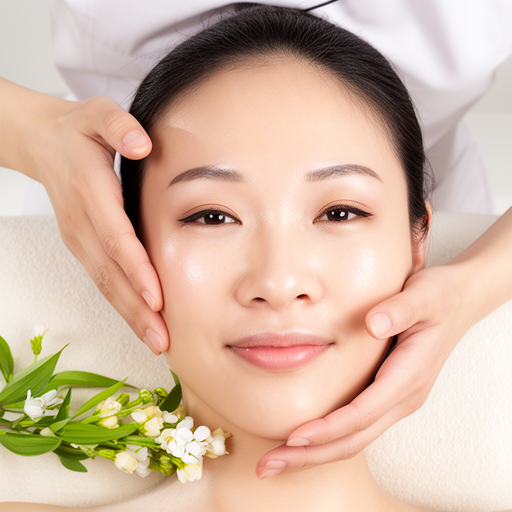
2. What Causes Skin Sensitivity and Redness
Skin sensitivity can be caused by a variety of internal and external factors:
- A weakened skin barrier
- Over-exfoliation or harsh skincare products
- Environmental pollution and UV exposure
- Stress and lack of sleep
- Allergic reactions to chemicals or fragrances
- Hormonal changes
When the skin barrier is compromised, it becomes more reactive, leading to redness, dryness, and inflammation.
3. Why Natural Facial Treatments Are Safer for Sensitive Skin
Natural facial treatments are preferred for sensitive skin because they avoid harsh chemicals and synthetic additives that can worsen irritation.
Key advantages include:
- Gentle, non-invasive formulations
- Plant-based soothing ingredients
- Reduced risk of allergic reactions
- Focus on hydration and barrier repair
- Support for the skin’s natural healing process
These treatments aim to calm the skin rather than aggressively “treat” it, making them ideal for long-term skin health.
4. Key Ingredients Used in Natural Sensitive-Skin Facials
Professional spas in Singapore often use a combination of calming and restorative ingredients such as:
- Aloe vera
- Chamomile extract
- Green tea
- Oat extract (colloidal oats)
- Calendula
- Cucumber extract
- Hyaluronic acid (naturally derived forms)
Each ingredient plays a role in soothing inflammation, strengthening the skin barrier, and improving hydration.
5. Aloe Vera and Its Soothing Role in Facial Therapy
Aloe vera is one of the most effective natural ingredients for sensitive skin due to its cooling and anti-inflammatory properties.
Benefits:
- Reduces redness and irritation
- Provides deep hydration without clogging pores
- Supports skin healing and regeneration
- Calms sun-exposed or inflamed skin
In Facial Treatments:
Spas use aloe vera in:
- Soothing facial masks
- Post-extraction calming gel application
- Hydration-focused facial therapies
It is especially useful after exfoliation or exposure to environmental stress.
6. Chamomile and Green Tea for Redness Reduction
Chamomile and green tea are powerful botanical extracts widely used in natural facials.
Chamomile:
- Anti-inflammatory and calming
- Helps reduce skin sensitivity and itching
- Supports skin healing
Green Tea:
- Rich in antioxidants
- Helps reduce redness caused by UV damage
- Protects skin from environmental stress
Together, they help restore balance and reduce visible irritation.
7. Oat Extract and Barrier Repair in Spa Facials
Oat extract, especially colloidal oatmeal, is known for its skin barrier-repairing properties.
Benefits:
- Strengthens weakened skin barrier
- Reduces itching and dryness
- Locks in moisture
- Improves overall skin resilience
In spa treatments, oat-based masks or creams are often used for clients with chronic sensitivity or eczema-prone skin.
8. How Professional Facials Differ from At-Home Care
While at-home skincare is important, professional natural facials offer deeper and more targeted benefits.
Professional Treatments:
- Use higher-quality concentrated ingredients
- Include expert skin analysis
- Use controlled techniques to avoid irritation
- Provide deeper hydration and repair
At-Home Care:
- Limited ingredient strength
- Risk of incorrect product layering
- Less effective for severe sensitivity
A combination of both is often recommended for best results.
9. What to Expect During a Sensitive Skin Facial Treatment
A typical natural sensitive-skin facial in Singapore includes:
- Gentle cleansing with non-foaming cleanser
- Mild exfoliation using enzyme-based products
- Soothing mask application (aloe, chamomile, or oat)
- Light facial massage to improve circulation
- Hydration serum application
- SPF or protective finishing cream
The entire process is designed to avoid irritation and promote relaxation.
10. How Often Should You Do Natural Facial Treatments
For sensitive skin, frequency matters.
- Mild sensitivity: every 3–4 weeks
- Moderate sensitivity: every 4–6 weeks
- Severe sensitivity or eczema-prone skin: customized plan advised by therapist
Regular treatments help maintain skin barrier strength and prevent flare-ups.
11. Tips for Maintaining Healthy Sensitive Skin After Treatment
To extend the benefits of natural facials:
- Avoid harsh exfoliants and scrubs
- Use fragrance-free skincare products
- Apply sunscreen daily
- Keep skin well hydrated
- Avoid over-washing the face
- Reduce stress and improve sleep quality
Consistency in skincare routine is key for long-term improvement.
12. Conclusion: Building Long-Term Skin Resilience Naturally
Natural facial treatments provide a safe and effective solution for individuals with sensitive skin. By using soothing ingredients like aloe vera, chamomile, green tea, and oat extract, these treatments help restore the skin barrier and reduce inflammation without harsh side effects.
In Singapore’s challenging climate, regular natural facials can significantly improve skin resilience, hydration, and overall comfort—making them an essential part of a gentle and sustainable skincare routine.